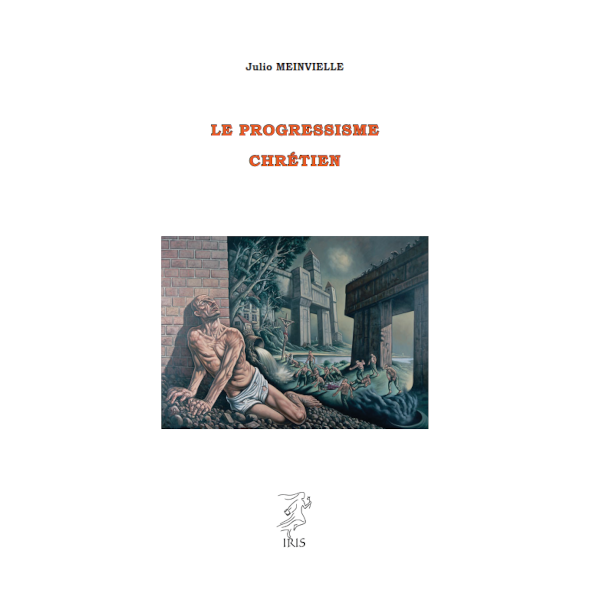
"This is not a lecture, but an informal conversation. We are going to talk about progressivism. First, let's note that those who systematically use the term progressivism are communists, because for them, history unfolds according to a dialectical process that goes from worse to better. Indeed, in their eyes, feudal society progresses according to a dialectical process towards bourgeois or liberal society, then bourgeois society towards socialist society, and the latter towards communist society. Progressivism can also be generally understood as the journey of society towards better conditions and states of development.
As for us, we will discuss progressivism as a phenomenon at work today in the Church, and which has become particularly fashionable since the Second Vatican Ecumenical Council. The world press divided the Council Fathers into two main currents: one, that of innovators and friends of reform, which it called progressive; the other, that of Fathers more attached to maintaining legitimate traditions, which it described as conservative, reactionary, and integralist.
In speaking here of progressivism, we are referring to a movement observed today within the Church that advocates doctrines and attitudes that must be judged as errors and deviations. Certainly, not everyone who calls themselves progressive is so in a condemnable sense. Some, ignorant of the content of the term progressivism as it is currently understood, claim to be progressive while only seeking legitimate and necessary progress within the Church."
220 pages.